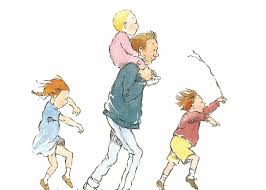
World Book Day is a wonderful opportunity to celebrate stories in ways that are active, engaging and memorable. This March, why not take a much-loved classic outdoors and bring learning to life through We’re Going on a Bear Hunt?
The story’s journey through grass, mud, rivers and forests makes it perfect for outdoor learning. By stepping into the story, children can move, explore and use their senses – supporting comprehension, language development and wellbeing alongside curriculum learning.
Here are some simple, curriculum-linked ways to take your Bear Hunt outside.
Bear Hunt Sensory Trail
Science: Seasonal Changes
Take children on a sensory walk inspired by the story settings. Encourage them to notice what they can see, hear and feel in the environment – from rustling leaves to muddy ground. This supports observation skills and understanding of seasonal change.
Mapping the Bear Hunt
Geography: Maps and Localities
Provide a simple map of the school grounds or local park and ask children to plan their own Bear Hunt route. They can mark where the “long wavy grass,” “river” or “forest” might be, building spatial awareness and map skills.
Outdoor Story Retelling
English: Oral Storytelling
After reading the book, head outside and retell the story while moving through different spaces. Acting out the repeated phrases supports memory, sequencing and confidence in speaking.
Nature Scavenger Hunt
Science: Living Things and Their Habitats
Create a scavenger list based on the story (grass, mud, sticks, leaves). Children search for these items and discuss where they are found, linking storytelling with habitats and nature exploration.
Bear Hunt Obstacle Course
PE: Movement and Coordination
Set up an obstacle course inspired by the story’s landscapes. Children can swish through “grass,” stomp through “mud,” and tiptoe through the “forest,” promoting physical development and imaginative play.
Bear Hunt Poetry
English: Poetry and Descriptive Language
After their outdoor journey, children can write simple poems using sensory language to describe what they experienced, helping to develop vocabulary and creativity.
Bear Hunt Natural Art
Art and Design: Natural Forms
Use leaves, sticks and stones to create Bear Hunt scenes outdoors. This encourages creativity while connecting art to nature and storytelling.
Bear Hunt Science Investigation
Science: Materials
Inspired by the river in the story, test which natural objects float or sink. Encourage children to make predictions and talk about their findings.
Bear Hunt Maths Trail
Mathematics: Spatial Sense and Counting
Create a maths trail along your Bear Hunt route with challenges such as counting trees, measuring paths or spotting shapes in nature.
Why Take a Book Outside?
Taking stories outdoors makes learning more meaningful, active and inclusive. For many children, especially those who struggle sitting still, outdoor storytelling reduces pressure and increases engagement.