
Transition days are an exciting time for both teachers and students. It’s an opportunity to set the tone for the upcoming academic year, build relationships, and get to know your new class – but have thought about taking the learning beyond the four walls of your classroom?
Heading outdoors on transition days can help you to create a dynamic and engaging environment that promotes connection, teamwork, and a sense of wonder. In this blog post, we will explore four key areas for transition day activities: getting to know each other, getting to know your environment, team building, and setting expectations. Let’s dive in!

Get to Know Each Other
Nature Inspired Self Portrait
Step outside and invite students to create rubbings using natural materials like leaves and tree bark. Collect the rubbings and use them to collage a self-portrait. This activity not only sparks creativity but also encourages self-expression and connection with nature. It also provides a new display for your classroom, and you’ll have a lot of fun at the end of the year trying to work out who’s who!
Beach Ball Icebreaker
Write a question on each panel of a blow-up beach ball using a permanent marker. Have students stand or sit in a circle and throw or roll the ball to one another. When a student catches the ball, they answer the question facing them. This fun game helps students learn about each other while enjoying the outdoors.
Name-Remembering Game
A variation of ‘Duck, Duck, Goose’ where the person who is “it” taps students on the head, saying their names instead of “duck.” If someone is tapped with the class name instead of their own, they chase “it” around the circle to tag them. This game encourages active participation and helps students remember each other’s names. It’ll give you, as class teacher, a chance to get to grips with names too!
Get to Know Your Environment
Scavenger Hunt
This is a classic idea, but a great one to get to know your environment, particularly if your children are moving into a new space or area. Organise a scavenger hunt that allows students to explore and discover the natural elements in their surroundings. Create a list of items they need to find, such as different types of leaves, rocks, or flowers.
Geocaching
A step further than a scavenger hunt, why not give geocaching a try?! This is a real-life treasure hunt using GPS coordinates. To set up your own, we recommend using the Scavengar app which allows you to place augmented reality objects into your school environment. Working in teams, students can use iPads to navigate and find the hidden treasures.
Tiny Treasure Hunt
Challenge students to find as many small natural objects as they can fit in a matchbox. Encourage them to explore their surroundings and discover the tiny wonders of nature. This activity promotes observation skills, curiosity, and appreciation for the intricacies of the natural world.
Team Building
Guided Obstacle Course
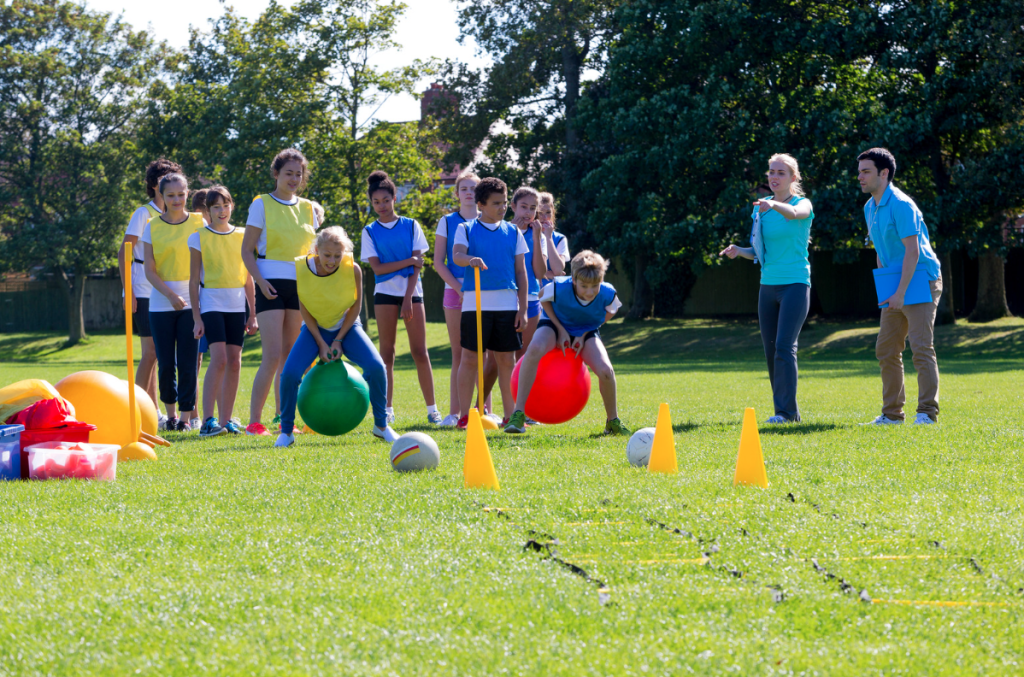
Ask your children to find a partner and blindfold one of them. The blindfolded partner must navigate an obstacle course guided only by verbal instructions from their teammate. This activity builds trust, communication skills, and teamwork.
Human Knot
An alternative to the classic hoop-around-the-circle game! Ask your class to stand in a circle. They need to reach out and grab the hands of two different people across the circle. The challenge is for the group to untangle themselves without letting go of each other’s hands. The children must work together to find the best way to untangle the human knot!
Line Ups Game
Ask your children to stand on a bench in any order. Then, give them select criteria to order themselves in – birth dates, house numbers, or height, for example. To add a new level of challenge, they must communicate and organise themselves without speaking, using only gestures.
Group Juggle
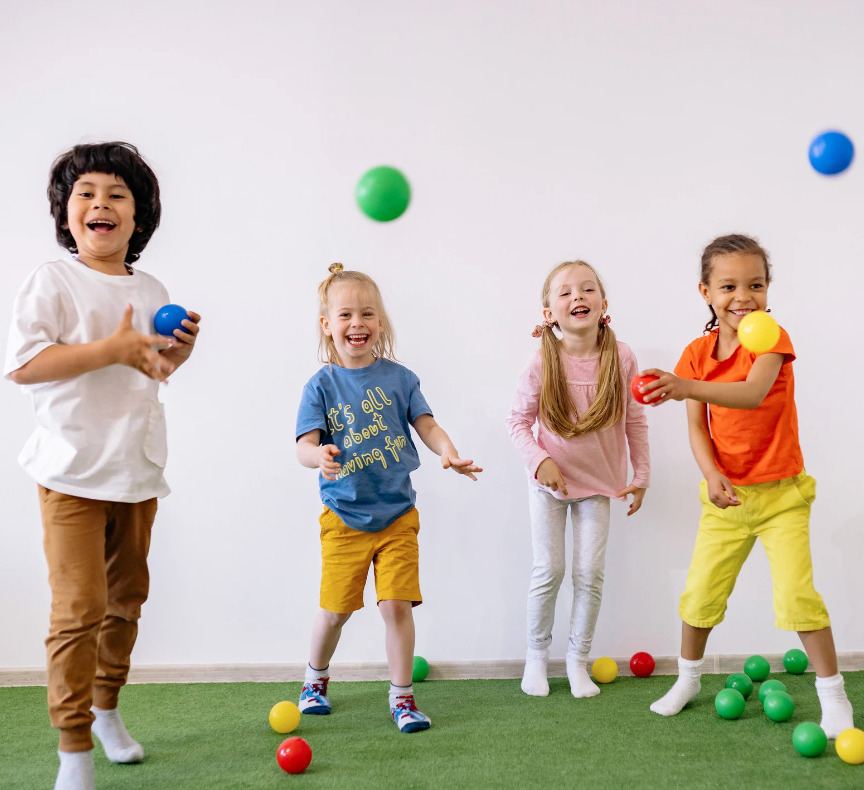
Ask your class to stand in a circle and begin by simply throwing a ball to one another – they can pass around the circle or across it. Gradually introduce more balls into the circle, and the objective is to keep all the balls in the air simultaneously. The children will see that they must communicate, coordinate, and work together to ensure that no balls are dropped.
Setting Expectations and Hopes for the New Year
Dream Tree
Create a “dream tree” where each child writes an aspiration for the year on a green paper leaf and discusses it with the class in a circle time-style discussion. Head outside to your selected tree, and tie each aspiration onto the branches. As the year progresses, they can add additional leaves to celebrate their achievements. This activity fosters a sense of ownership, goal setting, and reflection throughout the year.

We hope this will give you lots of ideas to embrace the outdoors on your transition days this year!
