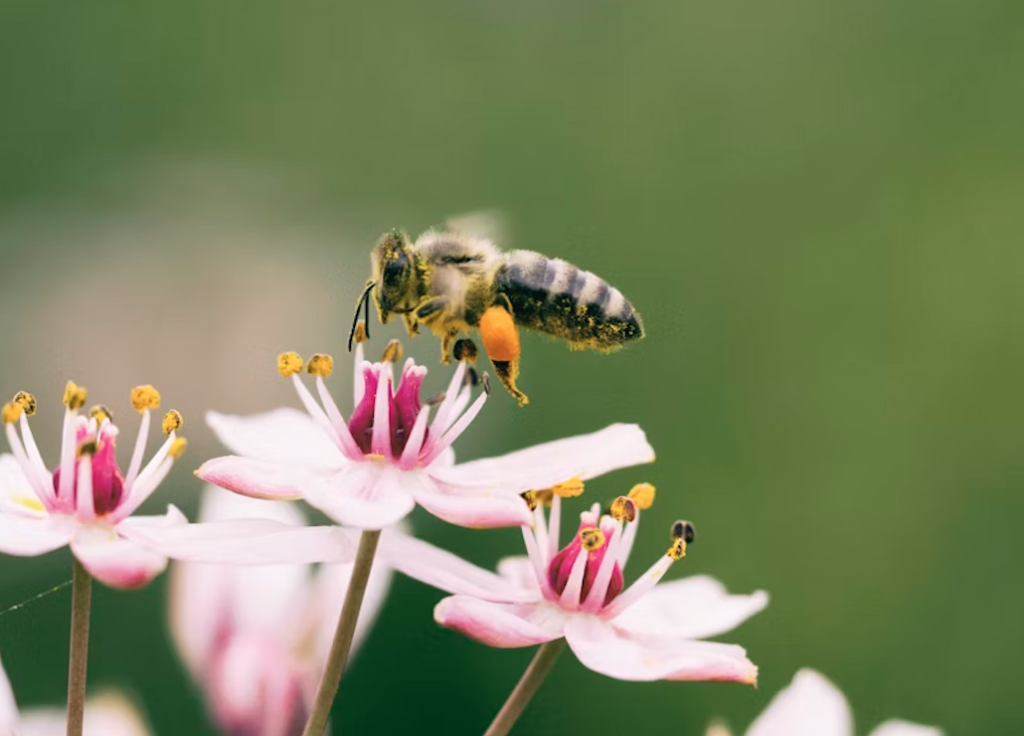
World Bee Day (20th May) is the perfect opportunity to take learning outside and explore one of the most important – and often overlooked – parts of our ecosystem: pollinators. Bees play a vital role in supporting biodiversity, food production and healthy ecosystems. But beyond that, they also provide a brilliant, real-world context for science, maths, literacy and wellbeing.
Here are some simple, meaningful ways to explore bees through outdoor learning.
1. Pollinator Spotting & Habitat Hunt
Curriculum Links: Science (Living Things & Habitats)
Head outside and explore:
- flowers
- grassy areas
- hedges or trees
Encourage children to:
- spot bees and other pollinators
- observe which flowers they visit
- notice patterns in behaviour
Key Questions
- Which flowers do bees visit most?
- What are the bees collecting?
- Where do they go next?Act Out Pollination (Active Science!)
2. Create a Bee-Friendly Space
Curriculum Links: Science, Sustainability
Even a small outdoor space can support pollinators.
Try:
- planting wildflowers or herbs
- creating a mini “bee hotel” with sticks or bamboo
- leaving areas of grass to grow
Key discussion:
- Why do bees need flowers?
- What do bees get from plants – and what do plants get in return?
3. Act Out Pollination (Active Science!)
Curriculum Links: Science (Plants)
Bring pollination to life through movement.
How it works:
- Some children are flowers
- Some are bees
- Use powder, chalk dust or pom-poms as “pollen”
Children move between “flowers,” transferring pollen as they go.
This helps children understand:
- how pollination works
- why bees are essential for plant reproduction
4. Why Bees Matter (Big Picture Thinking)
Curriculum Links: Geography, PSHE, Sustainability
Bring learning back together with a discussion.
Explore:
- Why are bees important?
- What would happen without them?
- How can we help protect them?
This is a great opportunity to link to:
- food chains
- sustainability
- climate change