
The temperature has (finally!) dropped and the days are getting shorter. Getting a class ready to go outside takes a little longer at this time of year – the playground might be wet or muddy, and sometimes the thought of standing in the cold for a whole lesson isn’t particularly appealing. It can be tempting to put of outdoor learning until Spring returns.
However, winter has plenty to offer when it comes to outdoor learning. In fact, some of the most interesting opportunities for scientific investigation, observation and enquiry happen precisely because the weather and environment are changing. We believe outdoor learning should be part of children’s education throughout the year. We don’t expect teachers to spend hours standing outside in subzero temperatures and gale-force winds, but we can make sensible decisions about when, where and how we can teach outdoors.
Why keep going outside in winter?
There’s some evidence in support of maintaining opportunities for outdoor learning during the colder months. A systematic review and meta-analysis published in 2021 examined 26 studies looking at how weather conditions influence physical activity in children and adolescents. It found that children were generally more active in favourable weather, while colder temperatures and heavy rainfall were associated with more sedentary time. This is worth considering in schools. If outdoor opportunities become less frequent as winter approaches, children may have fewer chances to move, explore and engage with their surroundings.
https://pubmed.ncbi.nlm.nih.gov/33714181/
NICE guidance on physical activity for children also recognises the importance of regular outdoor play, particularly in the early years. It highlights how concerns about weather can sometimes limit the opportunities practitioners provide, and encourages settings to plan for outdoor experiences across different conditions.
https://www.nice.org.uk/guidance/ph17/chapter/appendix-c-the-evidence
There’s also something valuable about experiencing seasonal change first-hand. Children who regularly visit the same outdoor spaces can observe how plants, animals, light, temperature and ground conditions change throughout the year. Those observations provide a starting point for meaningful curriculum learning.
Five winter outdoor learning ideas
You don’t need a woodland, specialist equipment or an entire afternoon for these learning ideas. They can be adapted for ordinary school grounds and linked to learning across the primary curriculum.
1. Where is the warmest place in our school grounds?
Science and Maths: Temperature, measurement and fair testing
Give children thermometers and ask them to investigate whether different parts of the school grounds have different temperatures. They could compare a sheltered corner with an exposed playground, or investigate the air temperature in sunny and shaded areas. Encourage them to think carefully about how to make their measurements comparable, including keeping the thermometers at the same height and allowing time for readings to settle.
Children can record their findings, calculate differences and consider why temperatures might vary. It’s a useful introduction to microclimates and the importance of collecting reliable evidence.
2. What happens to water in winter?
Science and Geography: States of matter, materials and drainage
Rain, puddles, frost and ice provide plenty of opportunities to investigate water.
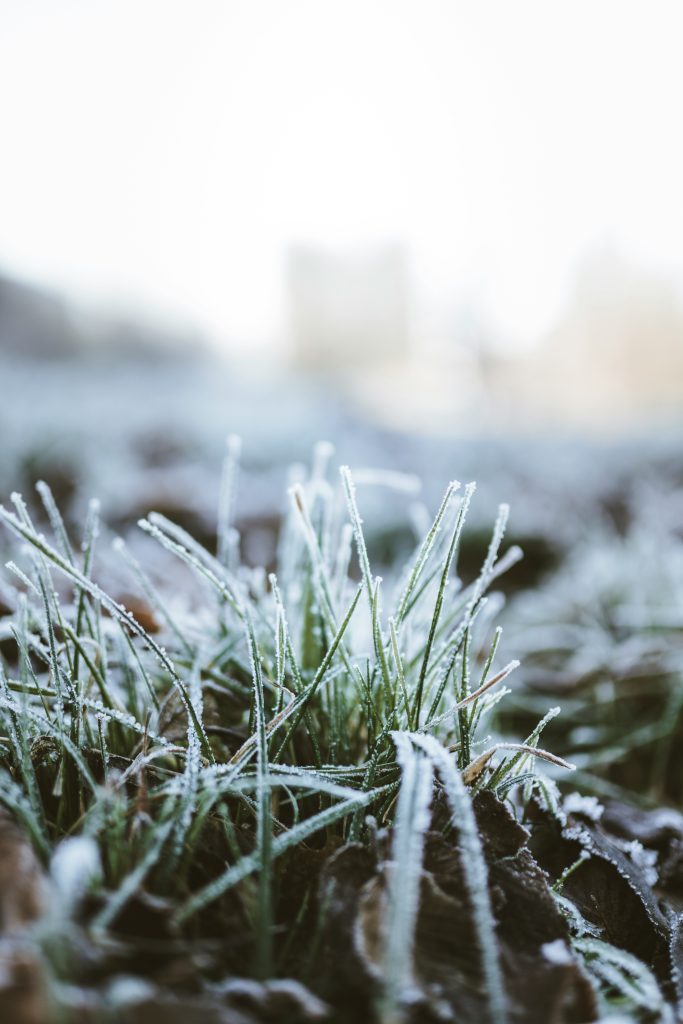
After rainfall, children could map where puddles form and explore why water collects in some places but drains away in others. They might compare surfaces such as grass, soil, gravel and tarmac, or investigate what happens to a shallow container of water left in a suitable, supervised location. On frosty mornings, children can observe where frost has formed and where it hasn’t, developing questions about temperature, shade and exposure.
These investigations work particularly well when children return to the same places over several days and compare what they find.
3. How do trees survive winter?
Science and Art: Seasonal change, plant structures and observation
Choose a deciduous tree in the school grounds and investigate what has changed since autumn. Without its leaves, children can often see the branching structure much more clearly. Look closely at buds, bark, branches and any evidence of wildlife using the tree.
Children could create detailed observational drawings, compare deciduous and evergreen trees or begin a tree diary that they continue into spring. For older pupils, this can lead to questions about dormancy, adaptations and how trees respond to seasonal changes.
4. Can we investigate the shortest days?
Science and Maths: Shadows, time and seasonal change
Winter provides a useful opportunity to investigate sunlight and shadows.
Choose a fixed object, such as a post or playground feature, and measure its shadow at different times of day. Children can record the direction and length of the shadow, look for patterns and compare their observations over time. Around the winter solstice, this can lead to discussions about why daylight hours change throughout the year.
A simple investigation like this also gives children experience of recording measurements accurately and drawing conclusions from their own observations.
5. What can we discover about winter wildlife?
Science and Geography: Habitats, adaptation and fieldwork
Winter can be an excellent time for observing birds, particularly when trees have lost their leaves.
Children could carry out a short bird survey, recording which species they see and where they are found. They might investigate sheltered areas, look for evidence of animal activity or compare habitats around the school grounds. A regular survey is particularly useful because children can begin to recognise familiar species and notice patterns in their observations. It’s also a good opportunity to discuss how animals meet their needs during winter and why different habitats matter.
If outdoor learning has started to slip down the timetable as the weather gets colder, perhaps the answer isn’t to plan something bigger or more complicated. Choose one investigation that makes use of the conditions outside, keep it manageable and see what the children notice. There is plenty to discover before spring arrives!
